Where the First Coach Is the Asphalt: Inside Cleveland's Pickup Game Culture
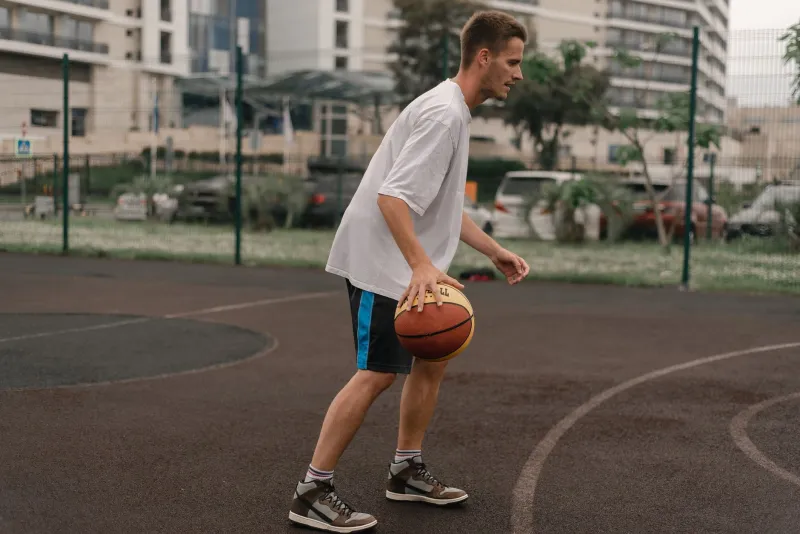
On a muggy Tuesday evening at Lonnie Burten Rec Center on Cleveland's east side, the scoreboard is broken and nobody cares. There's no scoreboard. There's no ref, either. What there is, is a full-court run where a 14-year-old just crossed over a grown man twice his age — and where that grown man is now explaining, in colorful detail, exactly what the kid did wrong on defense.
Welcome to the bus stop draft. No uniforms, no waivers, no ride home guaranteed. Just whoever shows up.
The Classroom That Doesn't Have a Schedule
Ask around Cleveland's athletic circles and you'll hear the same origin story again and again: nobody's first coach was a coach. It was the neighborhood.
"Structured practice teaches you the system," says Marcus Dillard, 47, a fixture at Lonnie Burten's open runs since the late '80s. "The street teaches you the game. Out here, if you can't dribble with your off hand, you don't play. Nobody's gonna feel sorry for you and put you in the corner."
That's the unofficial curriculum of pickup basketball, sandlot baseball, and street soccer across Northeast Ohio. Games at Lonnie Burten, pickup runs in the Hough neighborhood, dirt-lot baseball in Slavic Village, kickabouts on Ohio City side streets — these are laboratories where experimentation is mandatory and failure costs you nothing but your turn on the sideline.
What the Lot Teaches That the Program Can't
Youth sports researchers have spent years studying "deliberate play" — the unstructured, self-officiated competition that organized programs have largely squeezed out. The findings keep pointing the same direction: kids who grow up playing unsupervised sports develop better decision-making, more creative skill application, and tougher skin than those who only know whistle-driven practice.
Cleveland's rec center supervisors see it firsthand.
"A kid in a structured league gets a foul call. A kid out here learns that a foul call is a luxury," says one supervisor at a west side recreation center, who asked to go by his first name, Ray. "They learn to play through contact, to communicate without a coach telling them where to stand, to resolve their own conflicts. That's leadership development that no clinic sells."
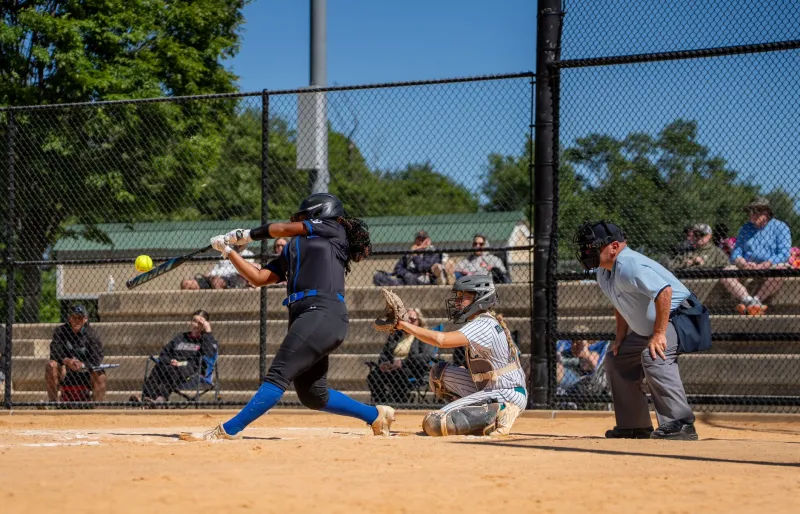
The sandlot version of the same lesson plays out on baseball diamonds that aren't really diamonds. A tennis ball, a broomstick, a manhole cover for second base — generations of Cleveland kids have learned pitch recognition and hand-eye coordination in games where the strike zone was whatever the batter said it was, and arguments were half the sport.
From the Lot to the Lineup
The pipeline is real, even if it doesn't show up on a spreadsheet. Talk to current college athletes around Northeast Ohio and the neighborhood keeps coming up as their first coach.
One freshman guard at a Division II school in the region credits three-on-three runs at a Hough rec court with teaching her to read defenses before she ever ran a set play. A pitcher at a junior college in Cuyahoga County says his arm strength was built throwing tennis balls against a garage door until dark — a workout no travel program prescribed.
The pattern isn't nostalgia; it's development science wearing a tank top. Unstructured play forces athletes to self-organize, adapt rules, and compete against a wider range of ages and abilities than any age-bracketed league allows. The 14-year-old guarding a 30-year-old learns angles. The 30-year-old learns humility. Both get better.
Keeping the Lots Alive
Here's the tension: the pickup ecosystem that produced so many Cleveland athletes is thinner than it used to be. Screen time, safety concerns, and the professionalization of youth sports — where families are told development requires paid programming — have all cut into the pickup economy.
The city hasn't abandoned it. Cleveland's recreation centers continue to run open gym hours, and community groups in Ohio City and Hough have organized informal street soccer nights that require nothing more than showing up. Lonnie Burten's summer runs still draw from three or four neighborhoods on a good night.
For parents wondering whether to add one more structured activity to the calendar, the veterans have a simple suggestion: don't. Drop the kid at the park. Let the neighborhood coach for a while.
"The rec center, the travel team, the Olympics if you get that far — all of it stands on the lot," Dillard says, lacing up worn sneakers as the next run gathers. "Everything I know about the game, I learned before anybody was paid to teach me."
The bus stop draft never closes. It's just waiting on whoever shows up.