Trials and Tribulations: Is Cleveland Ready for Another Shot at the Olympic Spotlight?

Every four years, when Olympic Trials pop up in Eugene and Omaha and Minneapolis, a familiar question surfaces in Northeast Ohio sports circles: why not us?
It's not a crazy question. Cleveland has a history of hosting serious amateur competition, a compact downtown, and a civic ego that feeds on proving doubters wrong. But is it realistic? We talked through both sides.
The Case For
Start with the venues. Cleveland's arena and stadium inventory is modern and centrally located, and the convention center sits within walking distance of thousands of hotel rooms. For indoor trials — gymnastics, boxing, wrestling, track's indoor variants — the physical infrastructure is genuinely there.
Then there's the transit and walkability story. Downtown Cleveland is compact enough that athletes, families, and fans can move between hotels, venues, and restaurants without a car — a logistical advantage some larger host cities can't claim. Destination Cleveland and county tourism officials have spent a decade landing marquee events, from NFL drafts to NCAA tournaments, and each one adds to the operating playbook. Event organizers will tell you: hosting is a learned skill, and Cleveland has been doing its homework.
The civic momentum argument might be the strongest. Each major event seeds the next — volunteers get trained, hotels prove they can handle the surge, and the city accumulates the kind of reputation that makes bid committees take your calls. And for a region trying to brand itself as an Olympic-adjacent town, hosting Trials would be the ultimate proof of concept.
The Case Against
Skeptics, and there are plenty, start with money. Bidding for and staging Trials costs real dollars — security, venue retrofitting, transportation, and the kind of guarantees that make city councils sweat. That's money, critics argue, that could build a dozen neighborhood fields, fund youth swim programs, or finally fix up aging recreation centers.
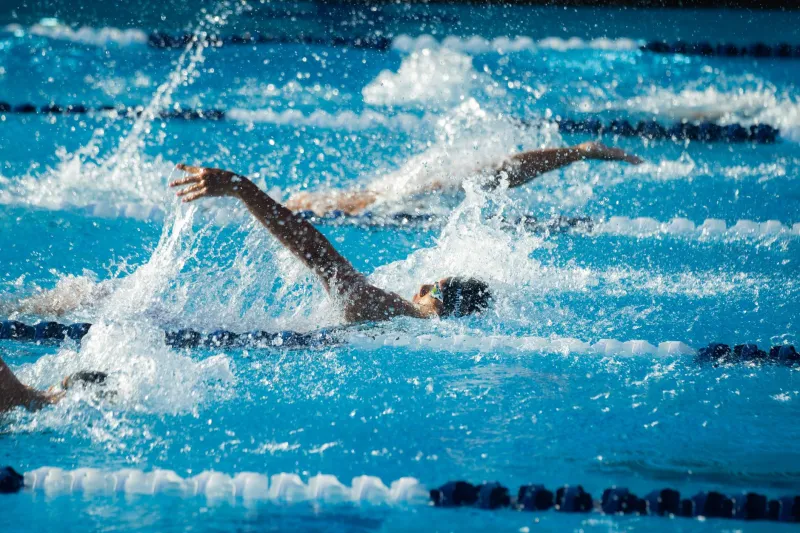
There's also the timing problem. Trials often land in June and July, colliding with an already packed summer events calendar. And swimming — the sport with the biggest Trials footprint — would almost certainly require a temporary pool buildout, an expense with a short shelf life.
Finally, the return-on-investment question. Hotel rooms fill, yes, but economists have grown wary of inflated projections around mega-events. A weekend of Trials is a great weekend; it isn't an economic development plan.
A Middle Path
Here's where both camps might actually agree: Cleveland doesn't have to leap straight to Trials. Regional Olympic-qualifying events, national age-group championships, and elite amateur meets would build the resume incrementally — bringing Olympic-level sport to town while generating revenue and buzz without betting the county budget.
Some youth sports advocates go further, arguing the smartest bid strategy is to invest in facilities first. Build the venues and programs that make Cleveland a year-round training hub, and the Trials bid writes itself.
The Verdict
Can Cleveland host Olympic Trials? Honestly, yes — the venues, hotels, and event chops are there. Should it? That depends on whether civic leaders can structure a deal where the city keeps something permanent: upgraded facilities, funded youth programs, a stronger amateur sports ecosystem.
A Trials weekend is a party. A lasting amateur sports infrastructure would be a legacy. Cleveland should chase the Trials — but only on terms where the neighborhood gym, the community pool, and the next hometown hopeful win too.