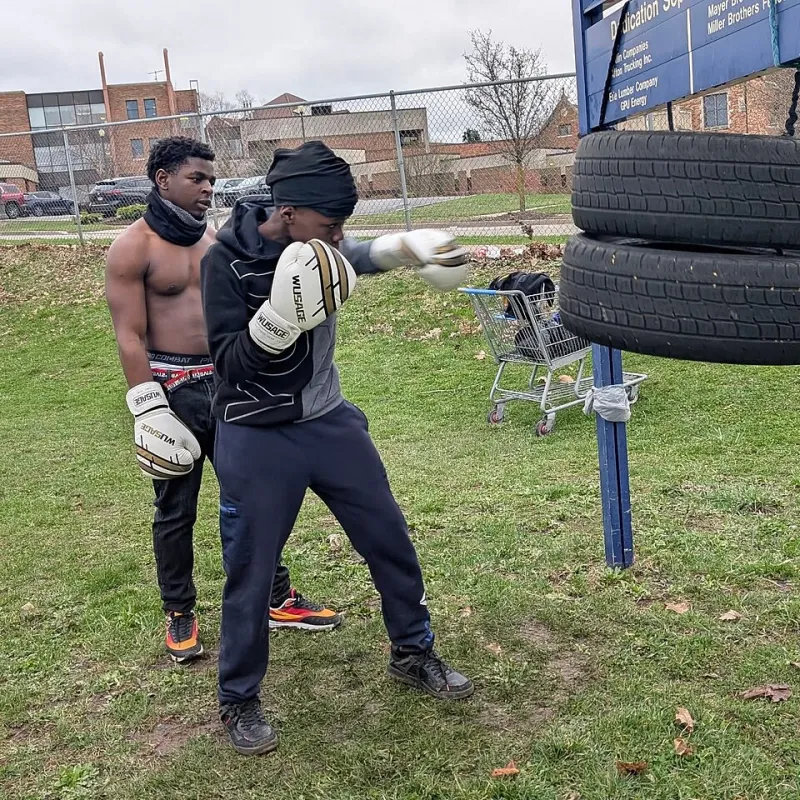
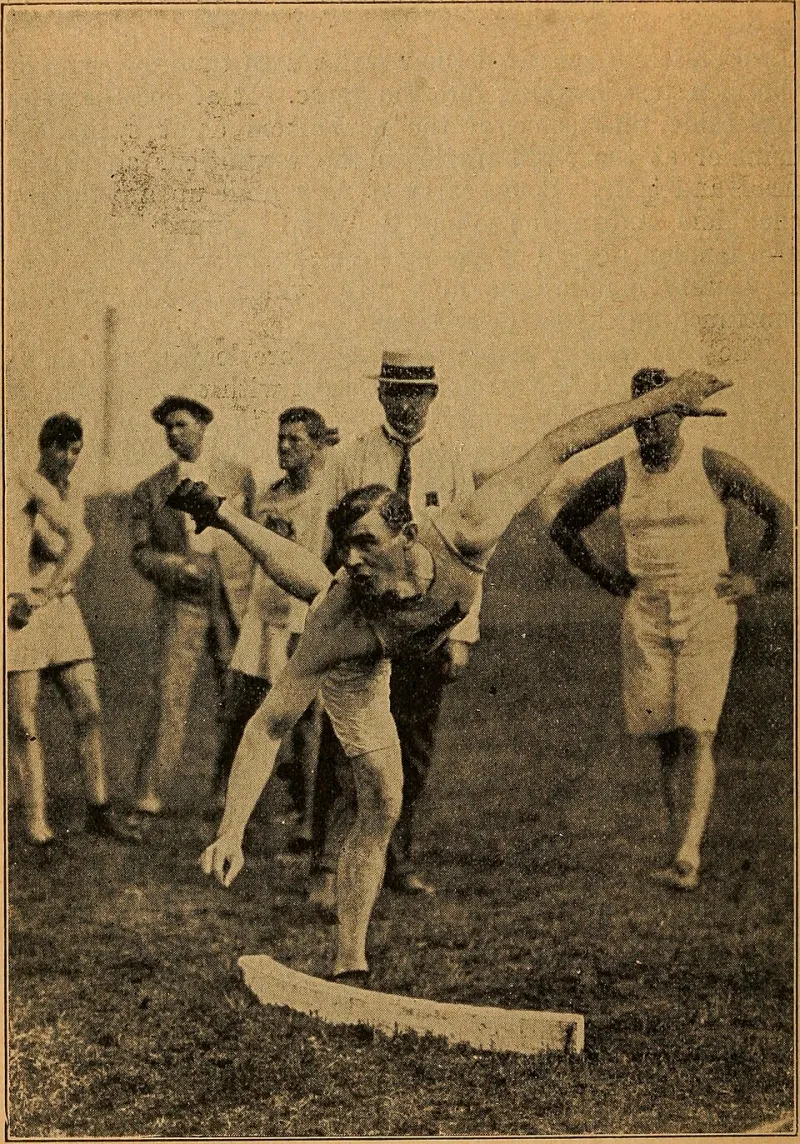
The Coaches Nobody Talks About: Inside Cleveland's Quiet Pipeline to Olympic Glory
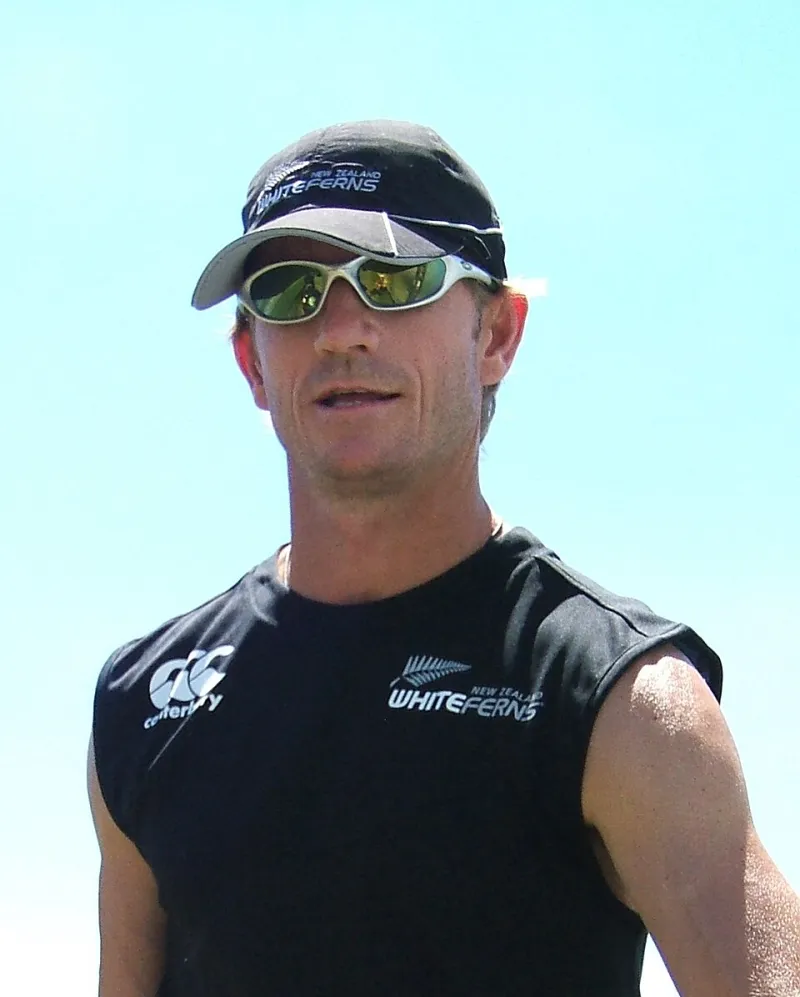
Photo: YellowMonkey, CC BY-SA 3.0, via Wikimedia Commons
When a Cleveland athlete steps onto a national podium, the cameras find the competitor. They find the family in the stands. They find the flag draped over shoulders and the tears streaming down faces. What they rarely find is the coach standing just off frame — the person who spent years in a chilly gym on Cleveland's west side, reworking a footstrike or rebuilding a mental approach from the ground up.
That gap between recognition and contribution is something a lot of people in Northeast Ohio's coaching community have simply made their peace with. And honestly? Most of them wouldn't have it any other way.
More Than Reps and Sets
Walk into almost any serious training facility in the greater Cleveland area and you'll notice something pretty quickly: the coaches here talk a lot. Not just barking instructions, but actually talking — asking questions, listening, adjusting. It's a style that distinguishes the region's development culture from more rigid, output-focused programs you might find in larger Olympic hubs like Colorado Springs or Los Angeles.
Take the approach favored by strength and conditioning specialists working with youth track athletes in the Lakewood and Rocky River corridor. Rather than imposing cookie-cutter programming, many of these coaches spend the first several weeks of a new athlete relationship doing what one veteran trainer calls "baseline archaeology" — digging into movement patterns, injury history, and even life stressors before a single periodized block gets written.
"You can't just drop a national-level program on a sixteen-year-old from Strongsville who's also managing school and a part-time job," one conditioning coach who works with several USOC-affiliated youth athletes explained. "The program has to fit the person. That's what we try to build here."
Technical Mentorship in a Rust Belt City
Cleveland doesn't have the sunshine or the altitude of some of the country's more glamorous training destinations. What it does have is a deeply experienced network of technical coaches — specialists in gymnastics mechanics, swimming stroke refinement, track and field biomechanics, and combat sports — who have quietly built reputations that draw athletes from well beyond Ohio's borders.
Several of these coaches came up through the Cleveland public school system, coaching at the high school level before transitioning to club and elite programming. That background matters. It means they understand how to work with athletes who are still developing emotionally and academically, not just physically. It means they've seen every kind of family dynamic, every kind of budget constraint, every kind of dream.
The technical mentorship culture here also benefits from a genuine sense of community among coaches themselves. Unlike the sometimes competitive, information-hoarding atmosphere that can develop in higher-profile markets, many Cleveland coaches describe a collaborative environment where sharing drill progressions or discussing an athlete's developmental plateau over coffee is just... normal.
"I've called coaches across town to ask for their eyes on a technique problem," said one swimming coach based near the Westside aquatic facilities. "And they call me. We're not competing against each other. We're all trying to get Ohio kids to the Trials."
What Cleveland's Infrastructure Actually Offers
It would be easy to assume that a city like Cleveland is working at a disadvantage compared to Olympic development centers with federal funding, world-class altitude facilities, and year-round warm weather. But dig a little deeper and a more nuanced picture emerges.
Northeast Ohio's indoor facility network is genuinely strong. The region's harsh winters, paradoxically, have pushed investment in covered tracks, indoor pools, multi-sport training centers, and climate-controlled gymnastics and weightlifting spaces. Athletes here don't get weather-dependent gaps in their training calendars the way competitors in some sunnier markets sometimes do.
There's also a cost-of-living factor that shouldn't be underestimated. Elite coaching in Cleveland is accessible in ways it simply isn't in New York or Southern California. Families aren't forced to choose between private coaching and rent. That economic reality means more athletes stay in the development pipeline longer — they don't age out of serious competition simply because the financial pressure became unsustainable.
And then there's the university connection. Case Western Reserve, Cleveland State, and the broader network of Northeast Ohio colleges provide sports science support, research partnerships, and internship pipelines that feed directly into the local coaching ecosystem. Young coaches coming out of kinesiology and exercise science programs often stay in the region, drawn by mentorship opportunities with established names in the community.
The Mentorship Chain
Perhaps the most distinctive thing about Cleveland's coaching culture is how deliberately it reproduces itself. Senior coaches here seem unusually invested in developing the next generation of coaches — not just athletes. It's a mentorship chain that runs deep.
You'll find former elite athletes who came through Cleveland programs now assisting coaches who once guided them. You'll find retired coaches staying active as consultants, offering institutional knowledge that would otherwise disappear. The result is a continuity of philosophy and approach that gives Cleveland's development system a kind of institutional memory that newer, flashier programs sometimes lack.
For the athletes coming up through this system, the impact is hard to overstate. Having a coach who was developed by a coach who was developed by another coach — all within the same regional culture — means a consistency of values around work ethic, athlete-centered development, and community accountability.
Giving Credit Where It's Due
The next time a Cleveland-area athlete makes a national team, qualifies for the Olympic Trials, or stands on a podium at a major championship, it's worth pausing before the celebration moves on. Behind that moment is almost certainly a coach — probably several — who gave years of early mornings, late evenings, and quiet problem-solving to make it possible.
They're in gyms in Garfield Heights and Mentor and Elyria. They're running practices at community pools and school tracks and rented warehouse spaces. They're doing the work that doesn't get photographed, because that's always been the job.
Cleveland's coaching community doesn't need the spotlight. But it deserves a whole lot more of our attention.