Cold Winds, Hot Competition: Why Serious Athletes Are Choosing Cleveland as Their Year-Round Training Base
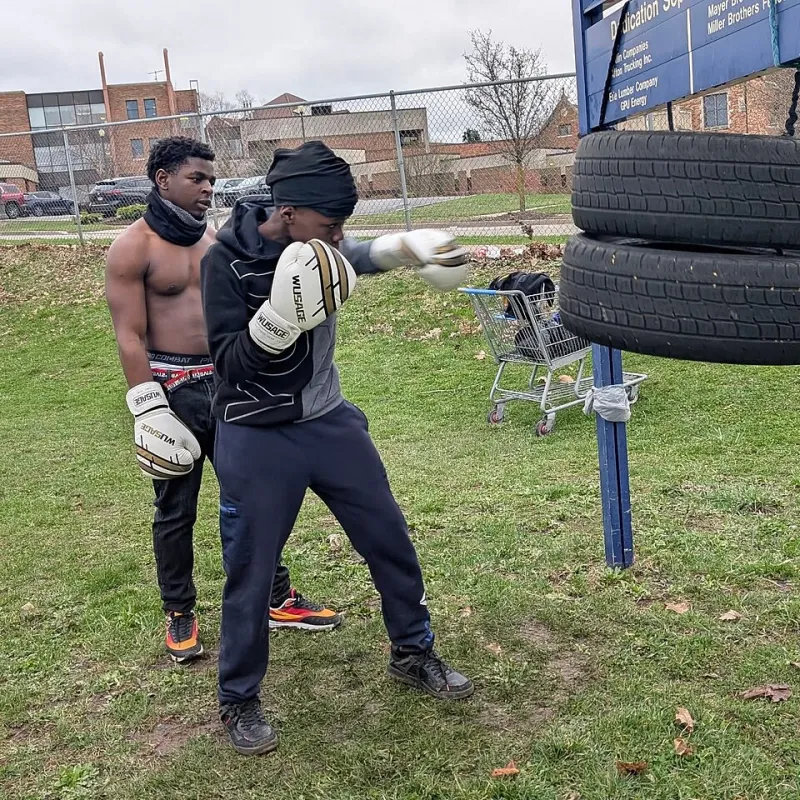
Photo: Zkt5093, CC0, via Wikimedia Commons
Mention elite athletic training destinations and people tend to picture Colorado Springs, San Diego, maybe Chula Vista. Cleveland doesn't usually enter the conversation. And that, according to a growing number of coaches and competitive athletes based in Northeast Ohio, is exactly what makes it such a valuable place to train.
"Everyone overlooks us," says James Petrick, a strength and conditioning coach who has worked with several nationally competitive athletes out of a facility in the eastern Cleveland suburbs. "That's fine. We just keep working."
But there's more to Cleveland's athletic appeal than the chip-on-the-shoulder mentality the city is famous for. When you dig into the specifics — the geography, the seasonal variety, the infrastructure, the cost of living — a surprisingly compelling case emerges for Northeast Ohio as a legitimate, strategically advantageous home base for serious athletic development.
The Weather Is a Feature, Not a Bug
Yes, Cleveland winters are brutal. The lake-effect snow off Lake Erie is legendary, and not always in a flattering way. But ask endurance coaches what they think about training in cold, variable, occasionally miserable conditions, and you'll get a different answer than you might expect.
"Thermal stress adaptation is real," says Dr. Angela Morrow, a sports physiologist who consults with several Northeast Ohio athletic programs. "Athletes who train regularly in cold conditions develop more efficient cardiovascular responses. Their bodies learn to manage core temperature under stress. When they compete somewhere warmer, they often have a physiological edge."
This isn't just theory. Distance runners and cyclists who train through Ohio winters frequently report that spring and summer competition feels comparatively easy — not just mentally, but physically. The body has been conditioned to work hard under adverse conditions, and when those conditions ease, performance tends to spike.
The flip side is Cleveland's summer, which offers genuinely excellent outdoor training conditions. Temperatures are warm but rarely extreme, humidity is manageable compared to the Deep South, and the long daylight hours of June and July give athletes more usable training time than they'd get at lower latitudes.
Four Seasons, Four Different Training Stimuli
One of the underappreciated advantages of training in a place with genuine, distinct seasons is the natural periodization it encourages. Cleveland's athletic calendar essentially forces a structured approach to training cycles that coaches in more temperate climates have to manufacture artificially.
Fall in Northeast Ohio is ideal for building aerobic base — temperatures are cool, trails and roads are in great shape, and the competitive season has typically wound down enough to allow volume-focused work without the pressure of imminent performance. Winter drives athletes indoors, where strength, technique, and mental toughness become the focus. Spring serves as a natural transition phase, with athletes gradually reintroducing outdoor training as conditions improve. Summer is peak performance season.
"You don't have to engineer periodization here," says Petrick. "The environment does it for you. That's actually a huge advantage for developing athletes who are still learning to listen to their bodies."
The Infrastructure Advantage Nobody Talks About
Cleveland's sports facilities are more extensive — and more accessible — than its reputation suggests. The city and its suburbs host a range of world-class or near-world-class training venues, many of which are available to serious athletes at a fraction of what comparable access would cost in a major coastal market.
The area's aquatic facilities alone represent a significant draw, with multiple Olympic-standard pools operating in the greater metro area. Indoor track facilities at several Northeast Ohio universities open their doors to community athletes during off-peak hours. Wrestling and combat sports gyms with legitimate competitive pedigrees are scattered throughout Cuyahoga and Summit counties. And the region's network of MetroParks trails — more than 300 miles of them — provides endurance athletes with varied terrain that would cost a premium to access in many other training destinations.
"I looked at relocating to train in Phoenix a few years ago," says Marcus Ellery, a 28-year-old middle-distance runner who has competed at the USATF national championships. "The cost of living alone made it unrealistic. Here, I can afford a decent apartment, gym access, quality coaching, and healthy food without going broke. That financial stability matters more than people think. Stress about money affects training. Period."
Proximity to Competition Without the Big-City Price Tag
Cleveland's geographic position in the Midwest gives it another quiet advantage: it sits within a day's drive of an enormous number of competitive opportunities. Pittsburgh, Columbus, Cincinnati, Detroit, Indianapolis, and Chicago are all within a four-to-six hour radius, meaning athletes based in Northeast Ohio can access a dense calendar of regional and national-level competitions without the expense of frequent flights.
For emerging athletes who need competitive experience but are working within tight budgets, this is significant. Racking up competition reps is essential for development, and being able to drive to a meet rather than fly to one can make the difference between an athlete who competes 12 times a year and one who competes four times.
The Coaching Ecosystem
Perhaps the most underrated element of Cleveland's athletic infrastructure is its coaching talent. The city's deep sports culture — rooted in its professional franchises, its strong university athletic programs, and its long tradition of blue-collar athletic development — has produced a generation of coaches with serious credentials and a genuine investment in local athlete success.
Many of these coaches could command higher salaries elsewhere. They stay because Cleveland is home, because the community values what they do, and because they believe in what's being built here.
"I've had offers to go to programs in bigger cities," says Renata Flores, the Parma-based track coach. "But I know these kids. I know their families. I know the community. That context makes me a better coach. I don't think I could replicate that somewhere else."
The Bigger Picture
Cleveland will probably never replace Colorado Springs as the first name that comes to mind when people think about elite athletic training. But for the athletes and coaches who have figured out what this city quietly offers — the conditioning benefits of its climate, the accessibility of its facilities, the density of its coaching expertise, and the financial sustainability of building a serious training life here — Northeast Ohio isn't a compromise. It's a choice.
And increasingly, it's a choice that's showing up in results on national and international stages. Which, if you know anything about Cleveland, is exactly the kind of story this city loves to tell.