Chlorine Dreams: How Northeast Ohio's Swimming Scene Is Quietly Producing the Nation's Next Wave of Talent
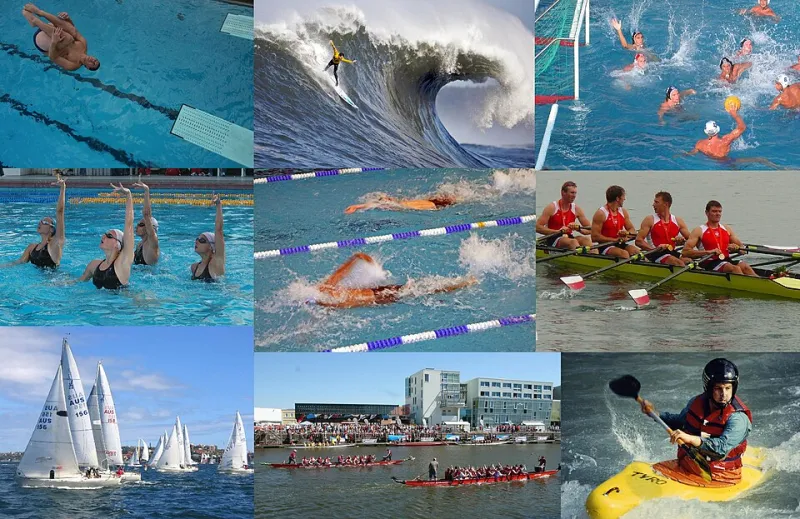
Photo: Synchronized_swimming_-_Russian_team.jpg: Jesus de Blas Reverse_5391.JPG: Me KingdomGames07_02.jpg: by Knurftendans Whitewater_kayaking_Isere.jpg: by Merops 22:43, 27 December 2005 (UTC)) (1991 Jörg Helbig) Dragon-boat-race_bhv_hg.jpg: Hannes Grob
There's a particular smell that serious swimmers know better than their own bedrooms — that sharp, clean bite of chlorine that hits you the second you walk through the natatorium doors. In Northeast Ohio, that smell is becoming the scent of something bigger: ambition, momentum, and a regional swimming culture that's finally getting the recognition it's earned.
For years, states like California, Texas, and Florida dominated the national conversation around competitive swimming. Ohio — and Cleveland in particular — was rarely part of that story. That's changing fast.
A Facility Upgrade That Changed Everything
Ask anyone embedded in Cleveland's aquatic community and they'll point to the same turning point: a wave of facility renovations and new construction across the region that began picking up steam in the mid-2010s and hasn't slowed down since.
Olmsted Falls, Westlake, and Solon have all seen significant upgrades to their competitive pool spaces. The Spire Institute in Geneva — just 45 minutes east of downtown Cleveland — operates one of the most technically advanced aquatic centers in the entire country, drawing elite-level training camps and high-stakes regional meets that simply didn't happen here a decade ago.
"When I started coaching in this area, we were fighting for lane time and working around community swim lessons," said one longtime club coach who's been running a Northeast Ohio program for nearly 18 years. "Now we've got facilities where the water temperature is dialed in, the timing systems are competition-grade, and kids can train like they mean it. That matters more than people realize."
It's not just about the pools themselves. It's about what well-maintained, competition-ready facilities signal to athletes, parents, and coaches who are deciding where to invest their time and energy.
The Club Scene Is Where It Starts
Ohio's club swimming ecosystem has quietly grown into one of the more competitive in the Midwest. USA Swimming's Ohio Swimming and Lake Erie Swimming LSCs (Local Swimming Committees) both cover parts of the Cleveland metro area, and the level of competition at regional invitational meets has climbed noticeably in recent years.
Club programs like Lakewood Aquatic Club, North Coast Aquatics, and HEAT Aquatics have become legitimate developmental pipelines — not just places for kids to swim laps, but structured environments where young athletes are learning race strategy, refining technique, and competing against peers who push them to be better.
"The competition density in this region has gone way up," noted one aquatic director whose program has sent multiple swimmers to Junior Nationals in the last three years. "When your training group is full of kids who are all dropping time, everybody rises. That's just how it works."
Parents are noticing, too. Enrollment in competitive club programs across Cuyahoga and surrounding counties has grown steadily, with some programs reporting waitlists for the first time in their history.
The Coaches Running the Show
Facilities and competition structures are only part of the equation. The people on the pool deck — the ones who show up at 5 a.m. and stay through evening practices — are the real engine behind Cleveland's swimming moment.
What's notable about the coaching corps emerging in Northeast Ohio is the diversity of their backgrounds. Some are former Division I swimmers who chose to plant roots here. Others came up through the club system themselves, learned under mentors, and eventually took over programs. A handful have national-level coaching credentials and could work anywhere in the country — but they're here, in Cleveland, because they believe in what's being built.
Coaching philosophy varies, but a common thread runs through many of these programs: a commitment to the long game. The coaches generating real results aren't burning kids out chasing early specialization. They're building aerobic bases, teaching body awareness, and — maybe most importantly — keeping swimming fun long enough for athletes to reach their physical prime.
"I've seen too many talented 14-year-olds walk away from the sport because somebody pushed too hard, too early," said one coach whose program has become a regional model for athlete retention. "My job isn't to win a meet when a kid is 13. My job is to make sure they're still swimming — and loving it — when they're 19."
Rising Swimmers Putting Cleveland on the Map
The proof is in the results. Northeast Ohio swimmers are showing up at Junior Nationals, USA Swimming Futures meets, and high school state championships with increasing regularity — and they're not just showing up. They're competing.
High school programs in the Cleveland metro area have produced multiple state champions in recent years across both girls' and boys' events. Several area swimmers have committed to Division I programs at Big Ten schools, and at least a handful are being tracked by national coaches as potential senior-level prospects.
For these athletes, the path to elite competition no longer requires leaving home. That's a genuinely new reality for Cleveland swimming — and it's one the community is embracing.
What Comes Next
The momentum is real, but the people closest to Cleveland's aquatic scene are careful not to declare victory too early. Sustaining a pipeline requires continued investment in facilities, ongoing recruitment and development of quality coaches, and a regional competition calendar that keeps challenging athletes without overwhelming them.
There's also the question of access. Competitive club swimming remains an expensive endeavor, and making sure talented kids from all parts of the Cleveland metro — not just the suburbs with the nicest pools — can participate is a challenge the community is actively working to address. Several programs have scholarship initiatives in place, and conversations about expanding access are happening at the LSC level.
But the direction is clear. Northeast Ohio's swimming culture has crossed some kind of threshold, and the coaches, athletes, and administrators who've been grinding away at this for years are finally seeing the payoff. Cleveland's got chlorine in its veins now — and the country is starting to notice.