From West Side Market to the Podium: How Cleveland's Athletes Really Fuel Up
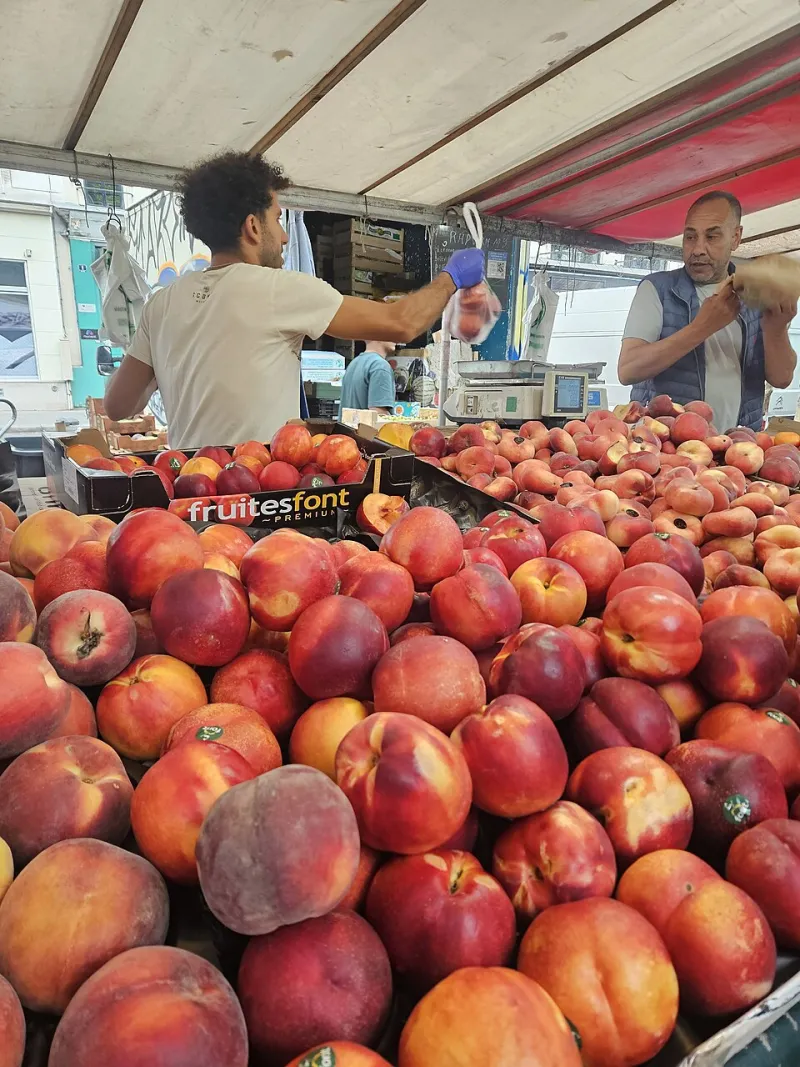
Photo: Laliv g, CC BY-SA 4.0, via Wikimedia Commons
Ask a Cleveland athlete what wins races and you'll hear about training blocks, sleep, and mental toughness. Ask the people who actually build those athletes, though, and you'll get a different answer: the grocery cart.
Nutrition is the least glamorous part of athletic development and arguably the most important. In a city with both world-class food institutions and serious food access challenges, how Cleveland's competitors eat tells you a lot about how they compete.
The West Side Market Advantage
On a Saturday morning, you'll spot them — runners in training gear weaving through the stalls of the West Side Market, loading up on produce, eggs, and locally raised meat. For many of the city's endurance athletes, the century-old Ohio City landmark isn't a tourist stop. It's a training facility.
"You can get a week of real food for what a family spends on two fast-food dinners," says one local club coach who brings his high school distance runners to the market a few times a season. "It's also a lesson. These kids need to know that fuel isn't a protein bar in a wrapper."
The math matters. Fresh produce in bulk, eggs, oats, and potatoes form the backbone of budget-conscious athlete diets here — cheap, calorie-dense, and versatile. It's not sexy, but neither is a February tempo run on the Towpath.
The Cafeteria Problem
Here's the uncomfortable part: not every young athlete in Cleveland has the same access. A standout basketball player at one school might go from a 6 a.m. workout to a cafeteria lunch that wouldn't fuel a study hall, let alone two-a-days.
Registered dietitians working with area youth programs say the gap shows up in the most preventable ways — mid-practice fatigue, slow recovery, nagging soft-tissue injuries. "We spend so much time on training plans," one dietitian who works with suburban and urban programs told us, "and so little on whether a kid ate anything before practice."
Some school districts have expanded breakfast programs and post-practice snack options, and a handful of club programs now partner with local food banks to send athletes home with shelf-stable fuel. It's patchwork, but it's growing.
What a Week Actually Looks Like
Want the unglamorous truth about how Cleveland's competitive athletes eat? It looks a lot like this:
- Breakfast: Oatmeal, peanut butter, bananas. Cheap, fast, repeatable.
- Lunch: Whatever the cafeteria or packed cooler offers — the goal is protein and carbs, not perfection.
- Pre-practice: A granola bar, a piece of fruit, a bagel. Something beats nothing.
- Dinner: The family meal, usually built around rice, pasta, or potatoes with whatever protein was on sale.
"Elite nutrition" at the youth and amateur level is mostly about consistency, not supplements. The athletes who make it are the ones who eat enough, regularly, without much drama.
Practical Moves for Families with Competitive Kids
Coaches and dietitians we spoke with kept coming back to the same advice for parents navigating travel teams, club fees, and shrinking grocery budgets:
- Cook once, eat twice. Big batches of chili, pasta, or rice-and-beans cover multiple training days.
- Keep the car stocked. A bin of snacks in the trunk prevents the highway fast-food stop between tournaments.
- Don't chase products. No powder replaces a real dinner. Save the supplement money for shoes.
- Let kids help plan. An athlete who shops at the West Side Market or plans a meal is an athlete who'll actually eat it.
- Watch the weekends. Tournament food is where good habits go to die. Pack a cooler like it's part of the equipment list.
Fuel Is a Community Issue
The bigger picture is that athletic development in Cleveland isn't just about coaching and facilities — it's about the whole ecosystem, including the food system. The city's next generation of Olympians is being built as much in kitchens and cafeterias as in weight rooms.
The good news? Cleveland's food culture — its markets, its community gardens, its stubborn practicality — is an asset. The athletes who learn to fuel themselves smartly here are learning a skill that lasts long after the final whistle.
And the next time you're in line at the West Side Market behind someone in a singlet buying a dozen eggs and five pounds of sweet potatoes, you'll know: that's not groceries. That's training.