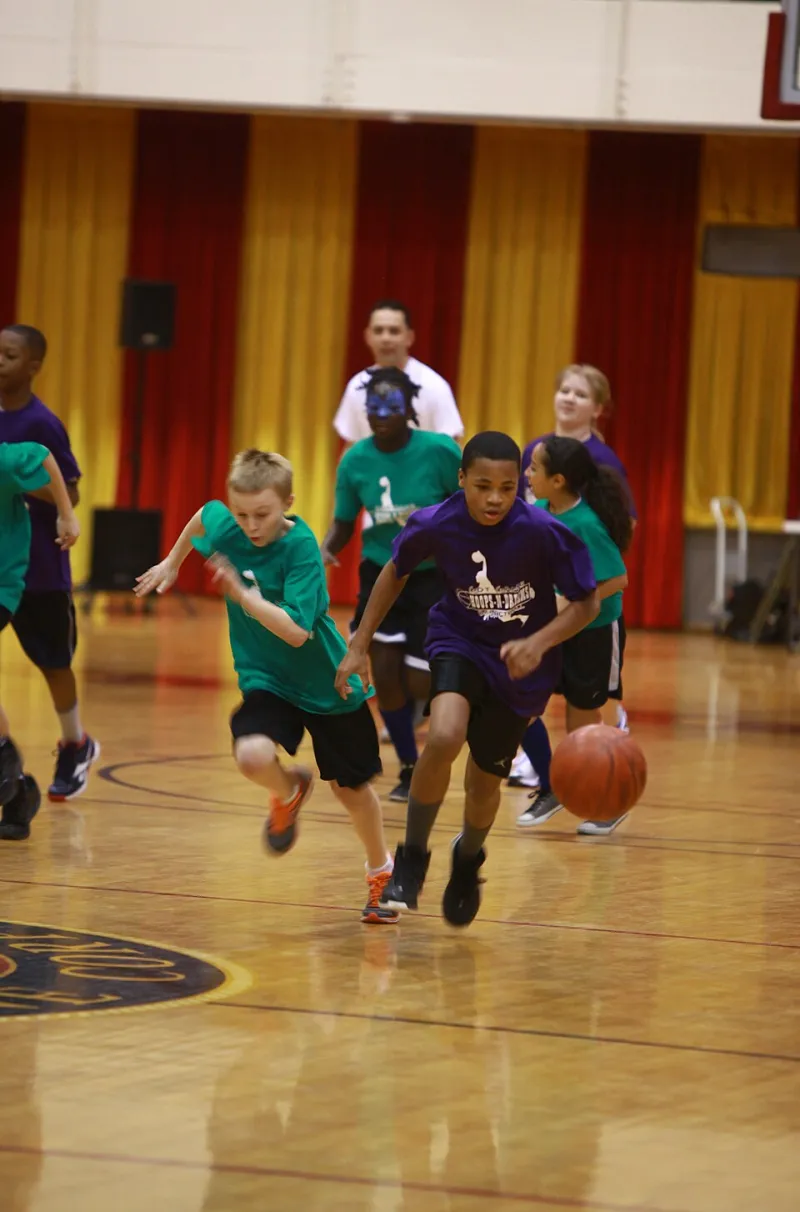
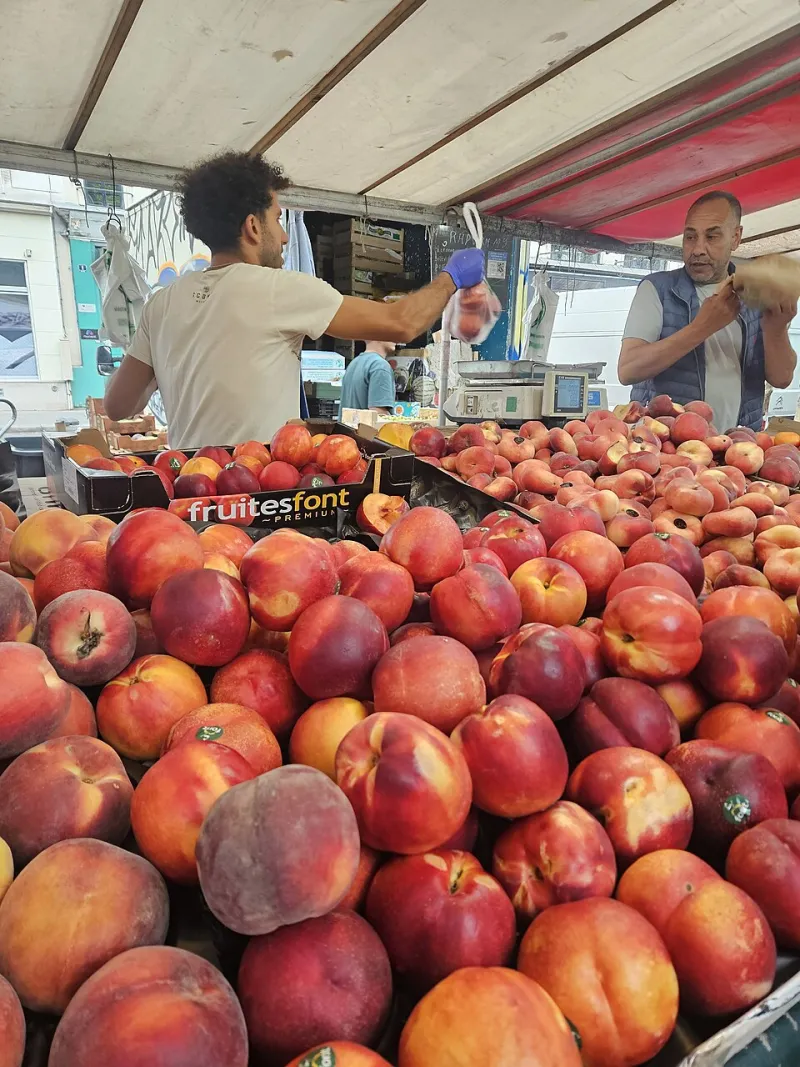
Concessions, Cleats, and Cash Flow: Following One Saturday Through Cleveland's Game-Day Economy
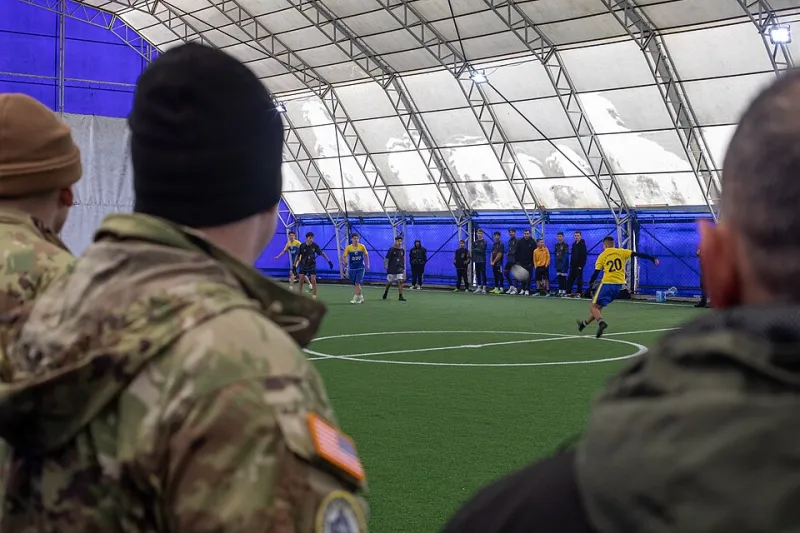
Photo: U.S. Army National Guard photo by Sgt. Grace Wajler, Public domain, via Wikimedia Commons
It's 7:15 on a Saturday morning and the grill at Brookside Park is already smoking.
Dave Kowalski — everybody just calls him Dave — has been running hot dogs and Italian sausages at youth soccer tournaments here for eleven years. By 9 a.m., when the first wave of U-10 games kicks off, his cash box will have more bills in it than most people see in a month of gas station shifts.
"People think it's the big stadiums that drive sports money in this town," Dave says, flipping a sausage with the casual expertise of a man who's done this a few thousand times. "It's not. It's Saturdays like this. Times forty complexes across the county."
He's not wrong. And we spent a full day following the trail to prove it.
The Parking Lot Is the First Business
Every venue has one. At the big tournament sites, it's the guy with the hand-painted sign and a stack of orange cones, renting out spots on a vacant lot adjacent to the free ones. Five dollars, sometimes ten when the regional championships roll in.
At first glance it feels like small potatoes. Do the math, though. A full lot of sixty cars at a weekend tournament, two days, and you're looking at real money — untaxed, informal, and entirely generated by ten-year-olds chasing a ball.
"It started when I got laid off in 2021," says Marcus, who works the lot near one of the suburban tournament hubs. "Now it pays my car insurance. The kids' games pay my bills. Weird, right?"
Not weird at all. It's the bleacher economy in its purest form: commerce that exists only because a schedule, a field, and a bunch of families showed up.
Where the Money Actually Goes
Follow a family through a game day and the spending adds up fast. Entry fee at the gate. A team photo. Coffee and a breakfast sandwich on the way in. Gatorade at halftime. Lunch at the strip mall restaurant across the street between bracket games. Dinner somewhere on the drive home because nobody wants to cook after eight hours in the sun.
The restaurants have noticed. At a pizza joint on Denison Avenue, the manager told us Saturday lunch volume jumps roughly 40 percent during the spring soccer season. The staff schedules around the tournament calendar the way downtown bars schedule around Guardians home games.
"We know the tournament weekends before the parents do," she laughed. "We order extra cheese."
Even the gas stations along the routes to the big suburban complexes see the bump. Out-of-town teams filling up before the long drive back to Cincinnati or Detroit, snacks and energy drinks flying off the shelves at 6 p.m. on a Sunday.
The Venues Themselves Are the Engine
Cleveland Metroparks facilities, the big high school stadiums with turf and lights, the neighborhood rec centers with their creaking bleachers — these are the anchor tenants of the bleacher economy. A well-run facility with good parking, real bathrooms, and a concession stand keeps families on-site longer, and on-site families spend more.
The rec centers get it. Several city locations have expanded weekend hours specifically to capture tournament traffic, renting gym space to traveling clubs on Saturdays and Sundays. That rental money goes back into the general fund, which keeps the lights on for the free open-gym nights during the week.
It's a loop, and a pretty elegant one: families pay to play, venues invest in facilities, facilities attract bigger tournaments, and bigger tournaments feed the restaurants, the lots, and Dave's grill.
The Fragile Part
Here's what worries the people we talked to: the whole thing runs on volunteers and thin margins. Lose a tournament to a town with newer fields, and the ripple is immediate. Restaurant managers notice. Concession volunteers notice. Marcus and his cones notice.
"One bad season for a complex and you can feel it," Dave said, closing up his grill around 4 p.m., right as the last championship game ended. "This isn't corporate money. It's neighbors buying sausages from neighbors."
That's the real story of the bleacher economy. No one's getting rich. But on a good Saturday, thousands of dollars move through parking lots, grills, and corner restaurants across Cleveland — all because a bunch of kids had somewhere to play.
Next time you're at a tournament, buy the hot dog. Skip the cooler in the trunk. The economy you're keeping alive is your own neighborhood's.