Before the Scouts Arrive: Inside Cleveland's Grassroots Athletic Network That's Already Found Tomorrow's Stars
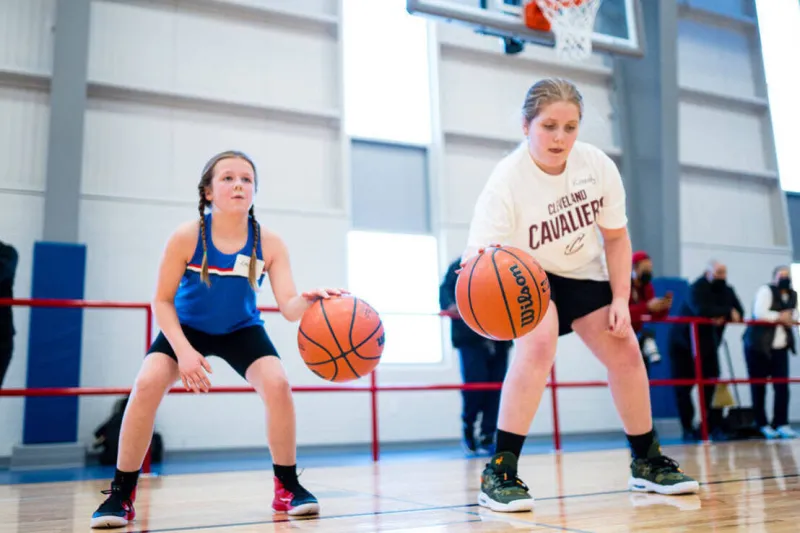
Photo: youth basketball rec center urban Cleveland kids coaching, via www.clevelandsports.org
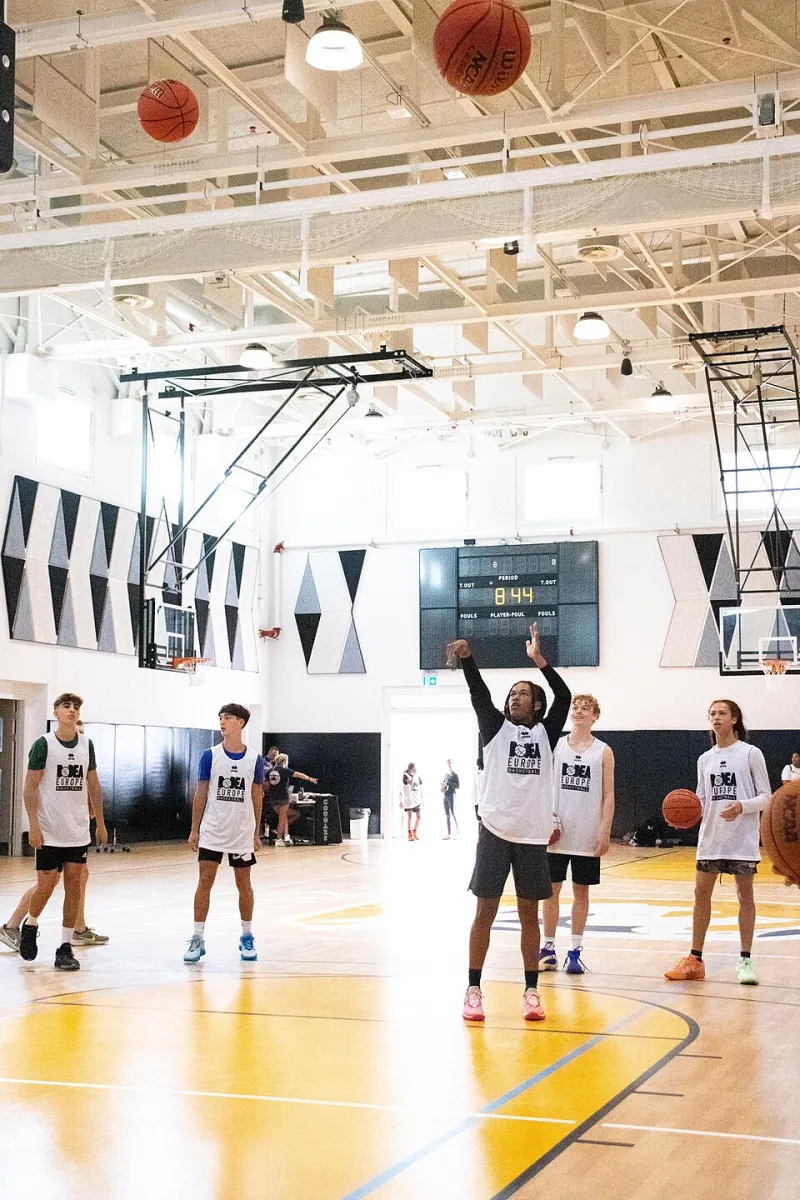
There's a gym on the east side of Cleveland where the bleachers are a little wobbly, the scoreboard only works about half the time, and the floor has a soft spot near the three-point line that regulars just know to avoid. But if you show up on a Tuesday evening during the fall recreational basketball season, you might witness something that no amount of polished facility can manufacture: raw, unfiltered athletic potential finding its footing in real time.
That gym — and dozens of spaces just like it scattered across Cuyahoga County — is where Cleveland's real talent story begins.
The Scouts Haven't Found the Rec Centers Yet
Elite sports recruitment in America tends to follow a predictable circuit. Travel teams, showcase tournaments, AAU circuits, and high school varsity rosters get the spotlight. The infrastructure of organized scouting funnels attention toward athletes who already have resources behind them — families who can afford club fees, coaches who have connections, programs with reputations.
What that system consistently misses is the kid who hasn't been plugged in yet.
"I've seen it happen over and over," says Marcus Tillman, who coordinates youth athletics programming at a Cleveland Metropolitan Park District facility in the Glenville neighborhood. "A kid walks in because their grandmother signed them up, or because there was nothing else to do after school. Two months later, you're watching them and thinking — where has this person been?"
Tillman has been working in community recreation for eleven years. In that time, he's personally flagged more than a dozen athletes to club programs and school coaches who went on to compete at the varsity, collegiate, or regional level. He doesn't keep a formal database. He doesn't have a scouting report template. He just watches — carefully, consistently, and with the kind of patience that a weekend showcase circuit doesn't afford.
"The big scouts are looking for the finished product," he explains. "I'm looking for something different. I'm looking for how a kid moves when they don't know anyone's watching."
Club Teams Filling the Gaps
Beyond the rec centers, a constellation of neighborhood-level club programs across Northeast Ohio has quietly built a reputation for finding and developing athletes who later turn heads at higher levels of competition.
Club teams in sports like wrestling, track and field, volleyball, and swimming have emerged as critical middle-ground institutions — more structured than a rec league, but far more accessible than elite travel programs. Many operate on sliding-scale fees or rely on local sponsorships to keep participation costs low.
Jamila Osei, whose daughter Priya now competes on her high school's varsity track team after starting out in a community sprint clinic at age nine, describes the experience as transformative in ways she didn't expect.
"I honestly signed her up because it was nearby and affordable," Osei admits with a laugh. "I wasn't thinking about her being a competitive athlete. But the coaches there saw something. They were the first ones to tell me she had a real gift for the 400."
Priya, now fifteen, credits that early environment for teaching her more than just technique. "It wasn't about winning at that age. It was about figuring out if you even liked competing. A lot of my friends from that program don't run anymore, but they still talk about it like it was the best thing they did. For me, it just became everything."
The Coordinators Running the Pipeline
Ask around Cleveland's athletic community long enough and certain names keep coming up — people who don't hold formal scouting titles but function as informal talent connectors, threading young athletes through a web of opportunities that most families wouldn't know how to navigate on their own.
DeAndre Cobb runs a multi-sport youth league in the Clark-Fulton neighborhood that draws kids from several surrounding zip codes. He's deliberate about not branding his program as elite or selective. "The moment you put up barriers, you lose the kids who need it most," he says. "My job is to keep the door wide open and then pay very close attention to who walks through it."
Cobb has built informal relationships with high school coaches, club directors, and even a few college programs over the years. When he sees an athlete who he thinks is being underserved by their current environment, he makes calls. Sometimes those calls lead somewhere. Sometimes they don't. But the effort is consistent.
"Cleveland is a city where people look out for each other in the neighborhoods," he says. "That's just how it works here. Sports is part of that. If I see something special in a kid, I feel like it's on me to make sure someone else sees it too."
Why Cleveland's Decentralized Structure Actually Works
In cities with more centralized, well-funded youth athletics infrastructure, there's a tendency for talent development to get siloed — routed through a handful of flagship programs that capture most of the attention and resources. Cleveland's patchwork system, which some might view as a weakness, actually creates a surprisingly wide net.
Because there's no single dominant pathway, athletes surface from unexpected places. A kid who doesn't make a club volleyball roster might find their footing in a rec league and get spotted by a different coach entirely. A swimmer who can't afford a year-round club program might train at a community pool and catch the eye of a high school coach who's plugged into the broader network.
"There's no one front door here," says Lisa Navarro, who coaches youth gymnastics at a community center in the Old Brooklyn neighborhood. "There are like twenty side doors. And honestly? That's how some of our best athletes got in."
Navarro points to the regional competition circuit as another connector — local and intra-city meets that bring together athletes from rec programs, club teams, and school sports in the same space, giving coaches and community members a rare cross-program view of who's developing.
What Gets Lost — and What Doesn't Have To
For all its organic energy, Cleveland's grassroots athletic ecosystem isn't without its gaps. Coordinators like Tillman and Cobb are quick to acknowledge that plenty of talented kids still fall through the cracks — aged out of programs before anyone made the right call, or lost to circumstances that no amount of coaching can address alone.
"We're doing a lot with a little," Tillman says. "And that means we don't catch everyone. That bothers me. There are kids out there right now who could be competing at a really high level someday, and nobody's going to find them because they stopped showing up, or because their program lost funding, or because nobody made the connection in time."
The ask from people working in this space is relatively simple: more visibility, more coordination, and more resources directed toward the community-level programs that are already doing the work before anyone else shows up.
Because in Cleveland, the talent has never been the problem. It's always been here. The question is just whether the right people are paying attention at the right time — and increasingly, the answer is yes.
Know a Cleveland community program or grassroots coach making a difference in youth athletics? Reach out to us at USO Cleveland Sports — we want to hear your story.