From Empty Lots to End Zones: The Grassroots Battle for Cleveland's Playing Fields
Drive through Cleveland's East Side and you'll notice it before you can name it: space. Fenced-off lots where houses used to stand. Grass going uncut. Chain-link catching plastic bags. It's a landscape born of decades of population loss — and, increasingly, it's becoming the raw material for something unexpected.
Youth sports.
The Math of Empty Land
Cleveland's land bank holds thousands of vacant parcels, one of the largest inventories of any mid-sized American city. For years, most of that land sat in limbo — too scattered to redevelop, too expensive to maintain, too much a symbol of decline to discuss in polite company.
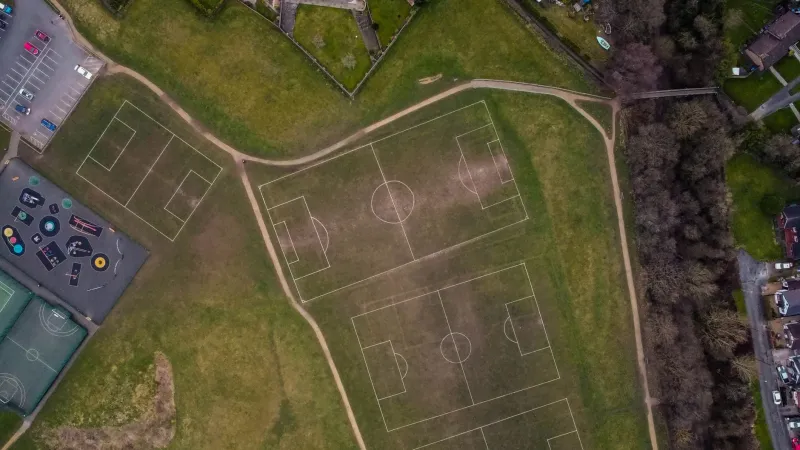
But a handful of neighborhood organizers looked at the same lots and saw something else: room for a 60-yard youth football field. Space for futsal courts. A place to lay down crushed limestone and call it a track.
"The city has more open ground than it knows what to do with," says one longtime Hough youth coach. "We've got kids commuting forty minutes to find a decent field. The field should come to them."
How a Lot Becomes a League
The process is anything but simple. Turning a vacant parcel into a playing surface means navigating zoning, title transfers through the land bank, drainage studies, insurance, and — the hardest part — sustained funding for maintenance, not just construction.
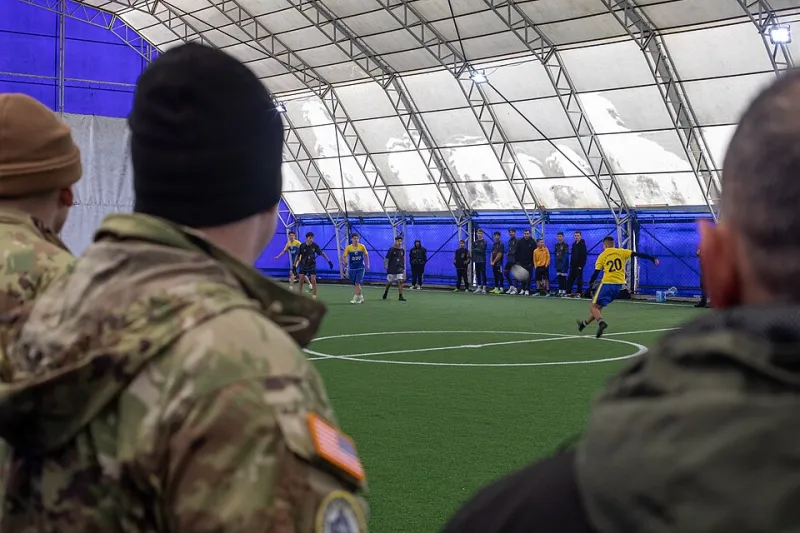
Community development corporations have become the unlikely quarterbacks of these projects, huddling with youth sports nonprofits, council members, and volunteers. Some conversions are modest: goals, paint, a mowing schedule. Others, like recent multi-court builds on the near West Side, involve synthetic turf, lighting, and six-figure fundraising campaigns.
The payoff shows up fast. Coaches in neighborhoods that landed new fields report registration jumps of 30, 40, even 50 percent. When practice is a two-block walk instead of a two-mile drive, the barrier to entry collapses.
The Politics of Play
Not everyone is cheering. Critics argue that city dollars should prioritize repair of existing recreation centers — several of which sit shuttered or underused — before new fields are built. There's also a real question of equity: which neighborhoods get the shiny turf, and which get another season of dirt and potholes?
Council members have responded by pairing new field projects with rec center reinvestment, and by insisting that maintenance budgets be locked in before a single roll of turf is delivered. "A field without a maintenance plan is a vacant lot with better PR," one ward representative put it plainly.
Why It Matters Beyond the Scoreboard
The stakes go deeper than athletics. Studies consistently link access to safe play space with youth health outcomes, school attendance, and neighborhood safety. A lit field at dusk changes how a block feels. Parents linger. Neighbors meet. The lot stops being a liability.
For Cleveland's Olympic-minded community, the connection is direct: elite pipelines start with participation, and participation starts with proximity. No child discovers a talent for the 400 meters if the nearest track is a bus ride and a half away.
The Long Game
There's no ribbon-cutting that ends this story. Every converted lot needs coaches, refs, equipment drives, and someone willing to drag the infield in May. But the momentum is real, and it's neighborhood-led in a way big-league stadium debates rarely are.
The vacant lots aren't going anywhere — and that's increasingly the point. Cleveland is learning to see its emptiest spaces as its most convertible assets. The next generation of Cleveland competitors may literally be playing on ground that nobody else wanted.
Which might be the most Cleveland ending imaginable.